
Student Loan Forgiveness for Nurses: What Exists, What Doesn’t, and What Else to Consider
For Students


“It’s truly a once in a lifetime chance to begin my professional journey.”
Connect with a future employer who wants to invest in your potential: employer funded monthly student loan repayments paid straight to your servicer, with no impact on salary.¹



Your program
Pick your path to see who's hiring and what repayment looks like in your field.
Anesthesia care teams in the states that license CAAs, hiring new graduates straight out of their master's programs.
Why it matters
Most healthcare grads start repaying loans immediately, cutting into a large portion of your take home pay. That means putting off some major milestones or picking up extra shifts to cover the gap. Clasp connects you with employers who invest in your financial future before you even graduate.
Without Clasp
With Clasp
Why join
Clinical students already building their careers inside the Clasp community.
Nursing, therapy, optometry, dental, veterinary, and pharmacy programs represented.
On top of salary and benefits, not instead of them.¹
Employers pay for Clasp. Joining, browsing, and applying are free for students, no fees, no catch.
Committed loan repayment dollars from health systems and practice groups hiring on Clasp.
The process
From school to financial stability — here's the path that changes what life looks like after graduation.
Any point in your program works. No scrambling in your final semester.
Connect with top health systems and lock in your offer.
Walk the stage knowing your career is set. Zero uncertainty.
Monthly or quarterly employer loan payments go directly to your synced loans — on top of salary.¹
Employer student loan repayments
Employer student loan repayments are part of your offer alongside salary. Each month you're on the job, those repayments go straight to your servicer.

Repayment sits alongside salary and benefits, not in place of them — you'll see the amount and the term spelled out in the offer before you accept anything.

Clasp handles the transfer and you can watch your balance drop with every repayment.

These are your existing federal or private loans. Clasp doesn't refinance or charge you anything. And if you leave the job for some reason, what's been paid towards your loans stays paid — no “golden handcuffs”, no clawbacks.
¹ Repayment amounts, eligibility requirements, and program terms are set by each participating employer and vary by role, specialty, and location; selection and specific repayment amounts are not guaranteed. Figures shown are illustrative examples drawn from Clasp platform data and do not constitute an offer of employment. If selected, your employer will make monthly payments on your behalf toward your eligible synced student loans via the Clasp platform up to a specified maximum. Employer contributions are not subject to clawback, meaning you do not have to repay contributions made while employed. However, you remain ultimately responsible for your student loan obligation, and if you voluntarily leave, are terminated for cause, or fail to meet employment terms, employer payments will cease and you must resume payments on the remaining balance. Employer student loan contributions may be treated as taxable income above federal annual limits; consult a tax advisor regarding your situation. Clasp is not a lender, does not refinance student loans, and does not provide financial advice.
In their words
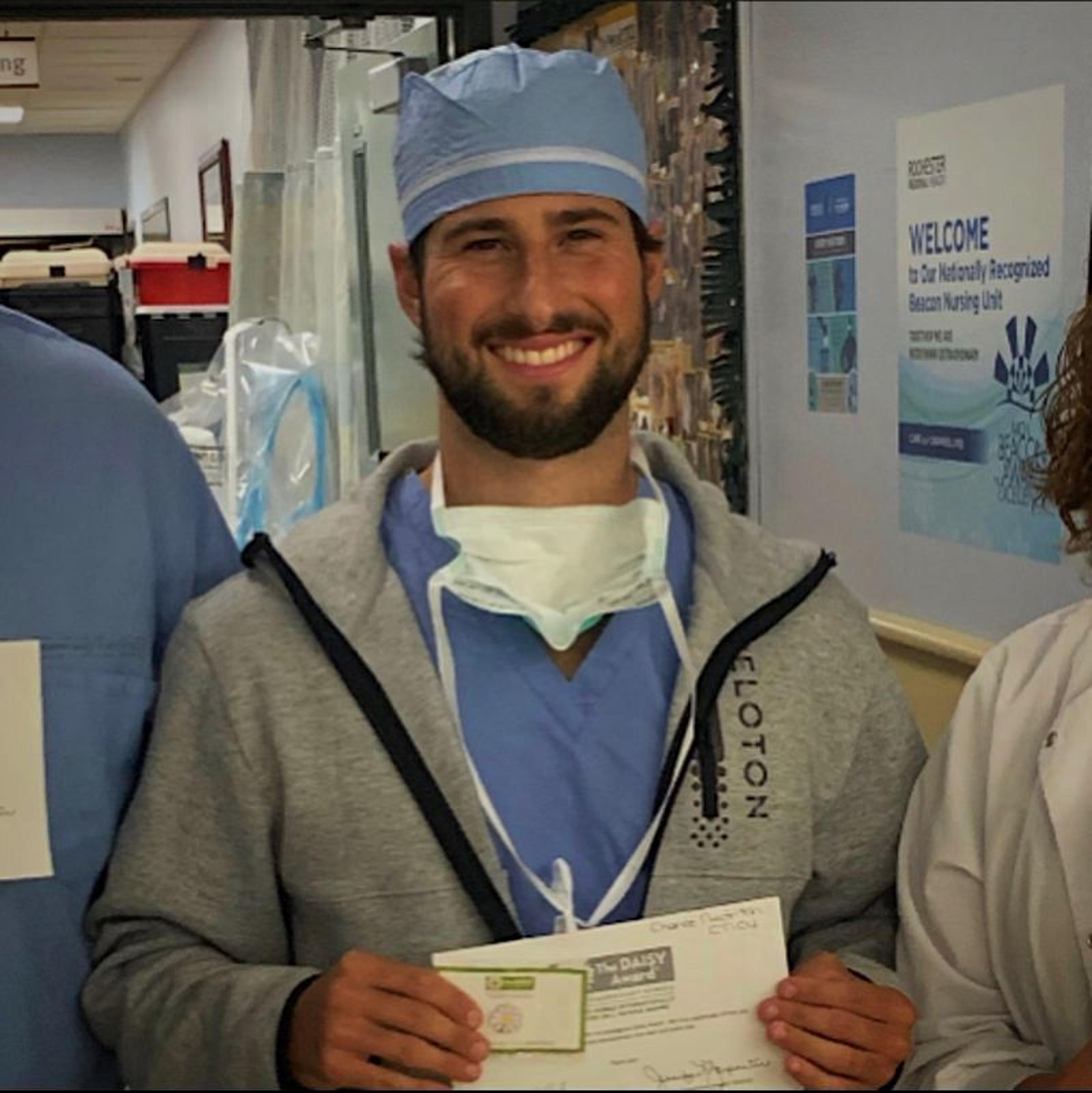
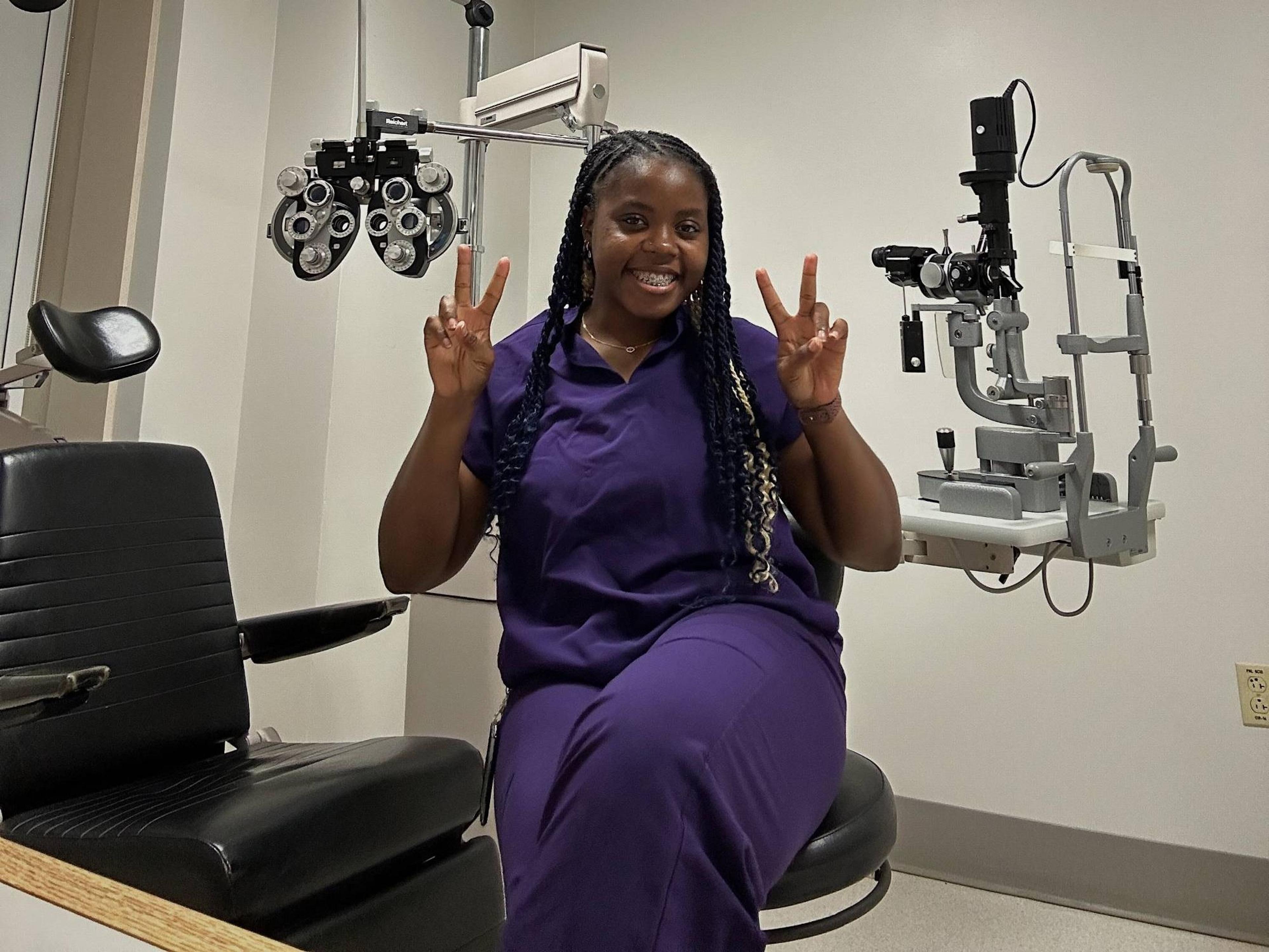
Eight clinicians — nurses, physical and occupational therapists, radiologic technologists and a veterinarian — on what employer student loan repayments actually changed for them.
Student loan repayment, first jobs, and career fairs. Practical advice for healthcare students getting ready to graduate.
Questions
Still stuck on something? Read the full student FAQ for more detail.
They are a benefit where your employer makes payments toward your student loans, usually a set monthly amount over a set term. On Clasp, employers commit to student loan repayments as part of the offer — so you see the amount and the term before you accept.
A sign-on bonus is a one-time payment. Student loan repayments by an employer are paid over time against your balance, which cuts the interest you'd otherwise keep paying.
Create a free account, explore opportunities that align with your clinical track, and apply. Every listing states the student loan repayments attached to it.
Employer student loan repayments sit on top of whatever federal plan you're on, including RAP. Your plan stays yours; the repayments just pay down the balance faster. Use our RAP calculator to see your federal payment, then compare offers here.
Yes. Students never pay to join, browse, or apply.
As early as your first term. You need to join before you graduate; students who join at least two years out see the most options.
No. Joining gets you into the community. A commitment only exists once you accept an offer with repayment attached, and those terms are spelled out first.
Nursing, therapy, optometry, medical imaging, veterinary, and other clinical programs. If yours isn't listed, join anyway and tell us — we're growing the number of fields and employer programs.
Your loans stay exactly where they are. Employer contributions are payments toward your existing balance, and we'll walk you through how it interacts with your plan before you accept.
No. Repayment is offered on top of a competitive salary, not instead of it. You'll always see the full picture — salary, repayment, and benefits — before you decide.
It ranges from roughly $10,000 to $180,000 depending on the employer, the role, and the location. Every opportunity shows its own amount and term up front.¹
Most repayment agreements run over a set term. If you leave before it ends, the remaining payments simply stop.
No. Employers set their own criteria, and most care far more about your program, license track, and graduation timing than your transcript.
Free for students, open before graduation, and built with the people you'll be working beside.